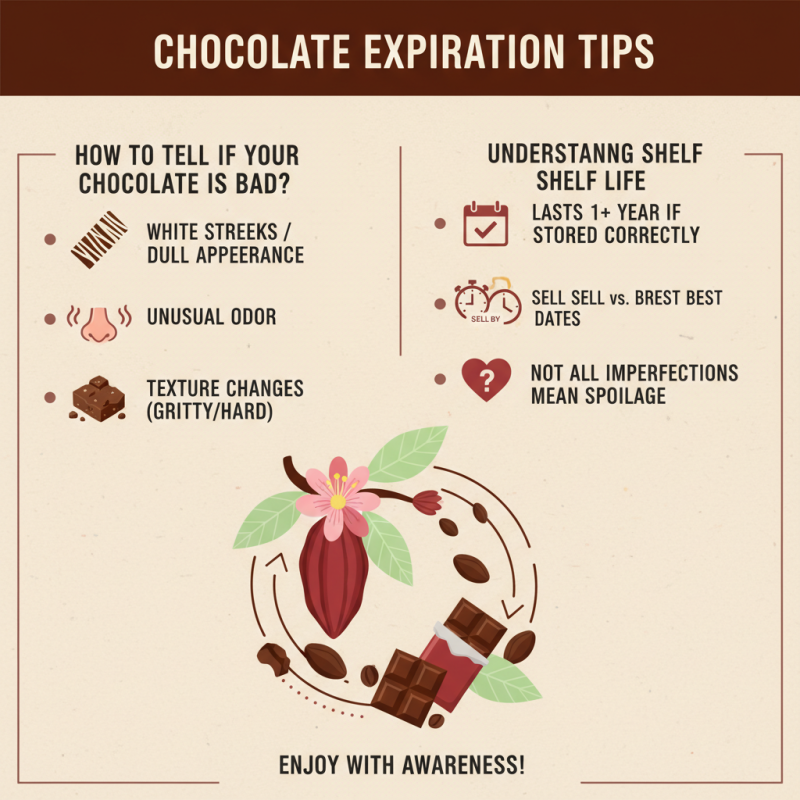
Chocolate Expiration Tips How to Tell If Your Chocolate Is Bad?
Chocolate is a beloved treat worldwide, but many consumers overlook the importance of Chocolate expiration. Research from the National Confectioners Association indicates that over 40% of chocolate consumers do not know how to properly check for freshness. Chocolate can change in texture and taste over time, and understanding its shelf life is crucial.
Typically, chocolate can last a year or more if stored correctly, yet it can develop white streaks or a dull appearance as it ages. These signs often confuse chocolate lovers. They may believe their chocolate is bad, but not all imperfections indicate spoilage. A 2021 survey showed that 62% of respondents were unsure about chocolate's "sell by" versus "best by" dates.
Being informed can enhance the chocolate experience. Pay attention to signs of aging, such as odor and texture changes. Chocolate expiration is often misunderstood, which can lead to unnecessary waste. Dinner parties or gifts might include outdated chocolate. Reflecting on the storage and knowledge about chocolate can prevent these scenarios. Enjoying chocolate should come with awareness and understanding of its lifetime.
Types of Chocolate and Their Shelf Life
When it comes to chocolate, understanding its shelf life is crucial. Different types of chocolate vary significantly in durability. Dark chocolate can last up to two years if stored properly. It is rich in antioxidants, which contribute to its longevity. Milk chocolate has a shorter shelf life, generally between six months to one year. Its cream content leads to faster spoilage. White chocolate, while technically not true chocolate, lasts about six to eight months. Its high sugar content can mask spoilage sometimes.
Temperature plays a vital role in chocolate preservation. Ideally, chocolate should be kept in a cool, dry place. A pantry shelf is often a good choice. It can become grainy if exposed to moisture. Chocolate won't necessarily go bad in an obvious manner. It might still be safe to eat, but the flavor could change. An off smell or white bloom (a fatty surface residue) indicates age. These signs suggest the chocolate may have lost its original character. Always inspect before indulging; your taste buds will appreciate it.
Signs That Chocolate Has Expired
Chocolate can bring joy, but it can also spoil. Identifying expired chocolate is essential for safety and taste. Signs of bad chocolate include changes in appearance and smell. Look out for white spots or a grayish surface. This is called bloom, resulting from fat or sugar rising to the surface. It isn’t harmful, but it affects flavor.
A noticeable sour or off smell is another warning sign. Fresh chocolate has a rich aroma, while expired chocolate may smell stale or rancid. Texture changes can also indicate spoilage. If chocolate feels too dry or crumbly, it may no longer be good. According to industry reports, more than 20% of chocolate consumer complaints relate to quality issues, including spoilage.
To keep chocolate fresh, store it in a cool, dry place. Avoid the fridge unless your environment is too warm. Try wrapping it in foil or storing it in an airtight container. If you’re unsure, always taste a small piece. Trust your senses; if it doesn’t taste right, it’s best to discard it. Quality matters, and chocolate should delight—never disappoint.
How to Store Chocolate for Maximum Freshness
Storing chocolate properly is key to maintaining its freshness. Start by keeping chocolate in a cool, dry place. The ideal temperature is between 60 and 70 degrees Fahrenheit. Avoid places with high humidity. The fridge might seem like a good idea, but it can cause condensation, ruining the texture.
Wrap chocolate in its original packaging or use foil. This keeps air and moisture out. If you have opened chocolate, place it in an airtight container. This prevents it from absorbing other odors. Remember that chocolate can lose its flavor over time. It's best to consume it before the expiration date.
Check chocolate regularly. Look for dullness or white spots, known as bloom. This means it's still edible but may lack quality. If it smells off or has an unusual texture, think twice before eating it. Monitoring conditions and keeping chocolate stored correctly can make a big difference in taste and quality.
What Happens When Chocolate Goes Bad?
When chocolate goes bad, it undergoes noticeable changes. The texture may become grainy or dry. You might see a white coating, known as bloom. This happens when fat or sugar rises to the surface, changing its appearance. While bloom doesn’t make chocolate unsafe, it affects the taste and feel.
The smell of chocolate can also change. If it has a sour or off odor, that's a sign. Dark chocolate might develop a strange flavor if it’s old. Milk chocolate can become rancid quickly due to its dairy content. It’s crucial to trust your senses. Always check for signs of spoilage before indulging in older bars.
Storage conditions impact chocolate’s lifespan, too. High temperatures can cause melting and flavor loss. Humidity can introduce moisture, leading to potential mold. Remember, chocolate isn’t like fine wine; it doesn’t mature positively over time. It’s important to be mindful. Enjoy your chocolate treats while they’re fresh.
Chocolate Expiration Insights
This chart illustrates the shelf life of chocolate types and their spoilage indicators over time.
Safe Ways to Dispose of Expired Chocolate
When chocolate reaches its expiration date, it’s essential to consider safe disposal methods. According to the Food Safety and Inspection Service, chocolate doesn’t spoil in the same way perishable foods do. However, it can lose taste and texture. If your chocolate has a dull appearance or a white coating, it may have fat bloom. This isn’t harmful but indicates it’s time to enjoy or dispose of it.
If you decide to throw away expired chocolate, consider local composting options. Chocolate is often considered biodegradable. However, be cautious of the sugar content, as it can attract pests. If composting isn’t feasible, wrap the chocolate in biodegradable material.
In 2020, studies showed that approximately 40% of food waste occurs at consumer levels. Creating an eco-friendly disposal method can help reduce this statistic while safeguarding the environment.
For those feeling guilty about waste, repurposing chocolate into recipes can be a great alternative. Melted chocolate can transform into a delicious coating for fruit or nuts, extending its use. This approach not only preserves some of the chocolate's value but also prompts reflection on our consumption habits.
Rethink how you approach expired chocolate to minimize waste and enhance your culinary experience.