How to Choose the Best Food Packaging Equipment for Enhanced Efficiency and Safety
In the ever-evolving landscape of food packaging, businesses are increasingly prioritizing the selection of the best food packaging equipment to enhance both efficiency and safety. According to a recent report by MarketResearchFuture, the global food packaging equipment market is projected to grow at a CAGR of 4.5% from 2021 to 2026, driven by rising demand for packaged food products and the need for sustainable packaging solutions. As companies strive to meet consumer expectations and regulatory standards, the decision-making process surrounding food packaging equipment has never been more critical.
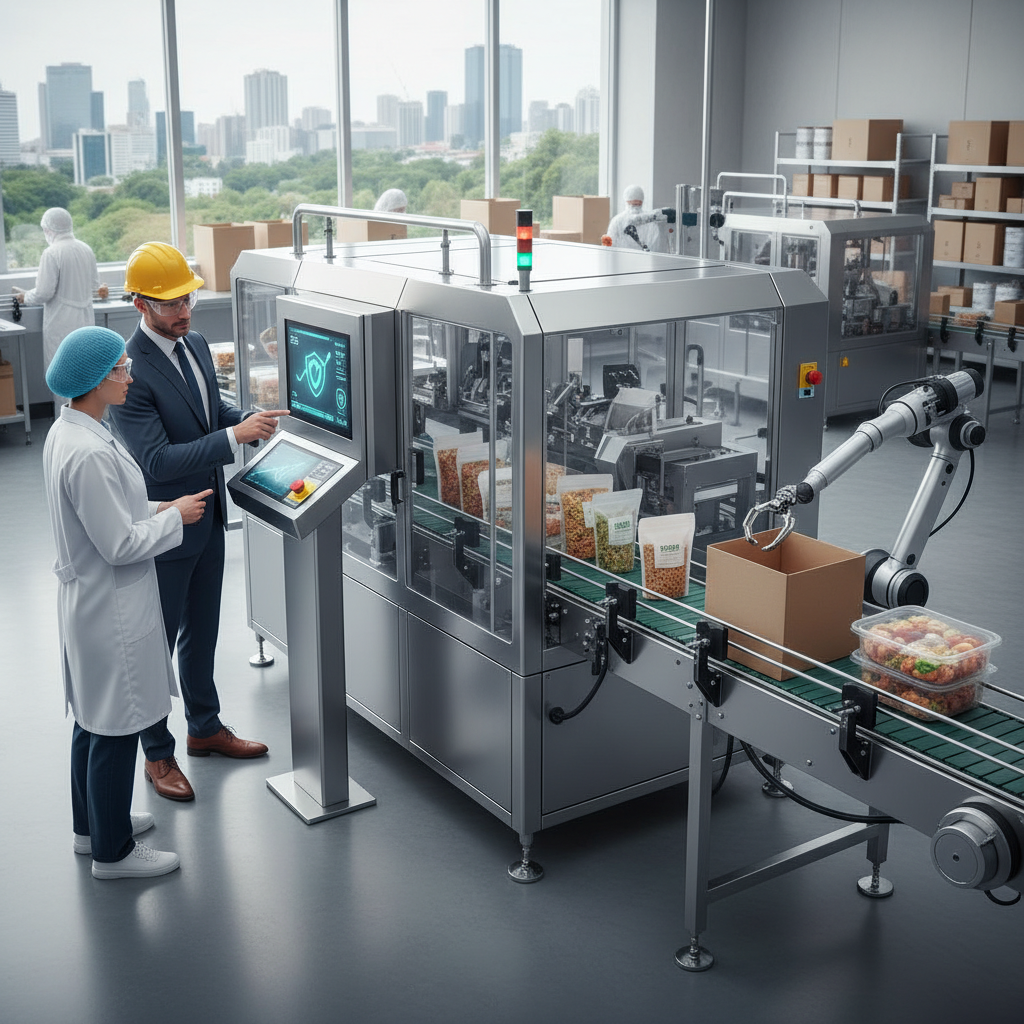
Industry experts emphasize the importance of making informed choices when investing in food packaging technology. Dr. Emily Carson, a leading authority in food processing technology, stated, "The selection of advanced food packaging equipment can significantly minimize contamination risks while maintaining the quality and longevity of food products." In the wake of heightened health and safety concerns, this statement underscores the vital role that equipment plays in ensuring safe and efficient packaging practices.
As we delve into the considerations that guide business owners in choosing the most suitable food packaging equipment, it becomes evident that understanding the requirements of both the product and the market is essential. From automation capabilities to regulatory compliance, the right equipment not only enhances operational efficiency but also fortifies consumer trust in food safety.
Key Factors to Consider When Selecting Food Packaging Equipment
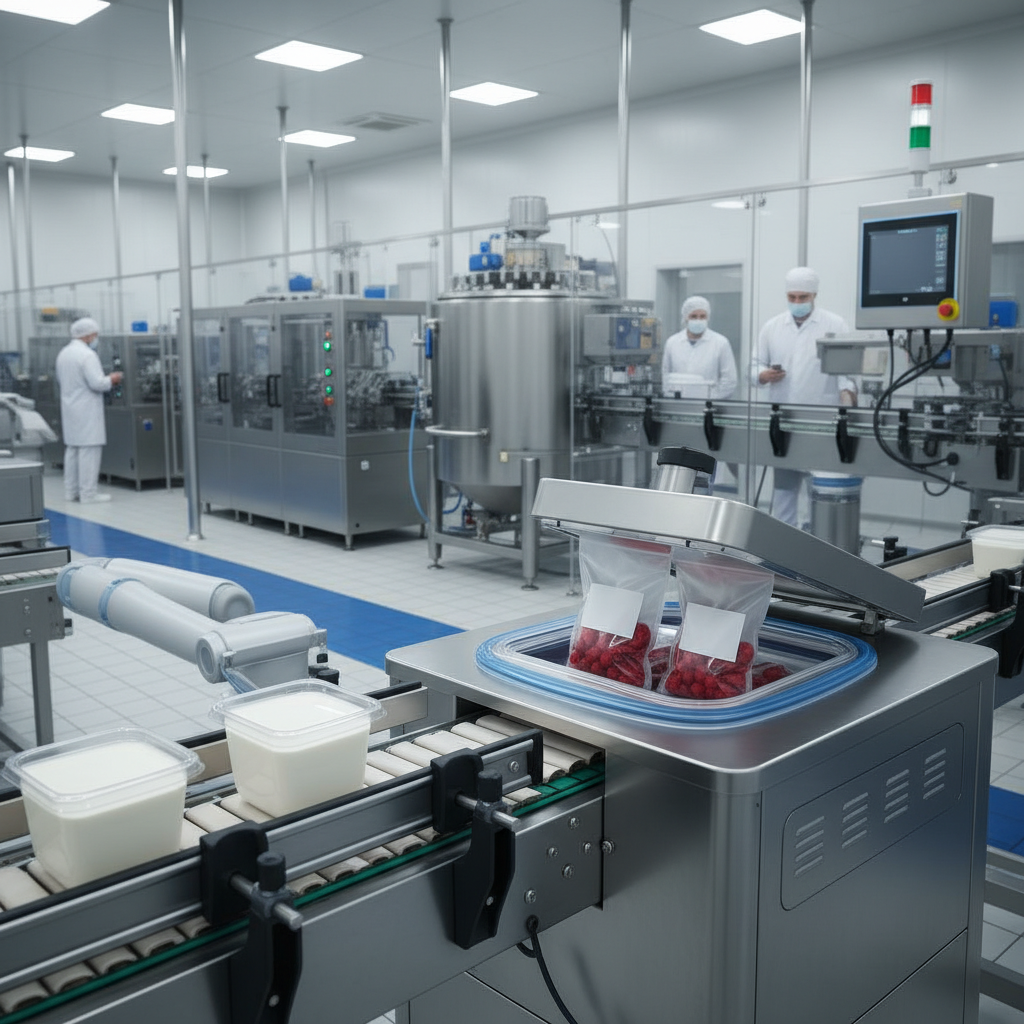
When selecting food packaging equipment, several key factors must be considered to ensure enhanced efficiency and safety. Firstly, the equipment's compatibility with the specific type of food being packaged is crucial. Different food products require different packaging solutions, whether it's vacuum sealing for perishables or tamper-evident containers for safety. Ensuring that the equipment meets the food safety standards and regulations is imperative to prevent contamination and enhance shelf life.
Another important factor is the flexibility and scalability of the equipment. As market demands fluctuate, food manufacturers need packaging solutions that can adapt to various production volumes and packaging styles. Incorporating technology such as automation and IoT can significantly streamline operations, allowing for better tracking, reduced labor costs, and increased efficiency. Furthermore, sustainability is becoming a critical consideration; selecting equipment that supports eco-friendly practices can meet consumer expectations while also minimizing environmental impact.
Emerging Technologies in Food Packaging: Enhancing Safety and Efficiency
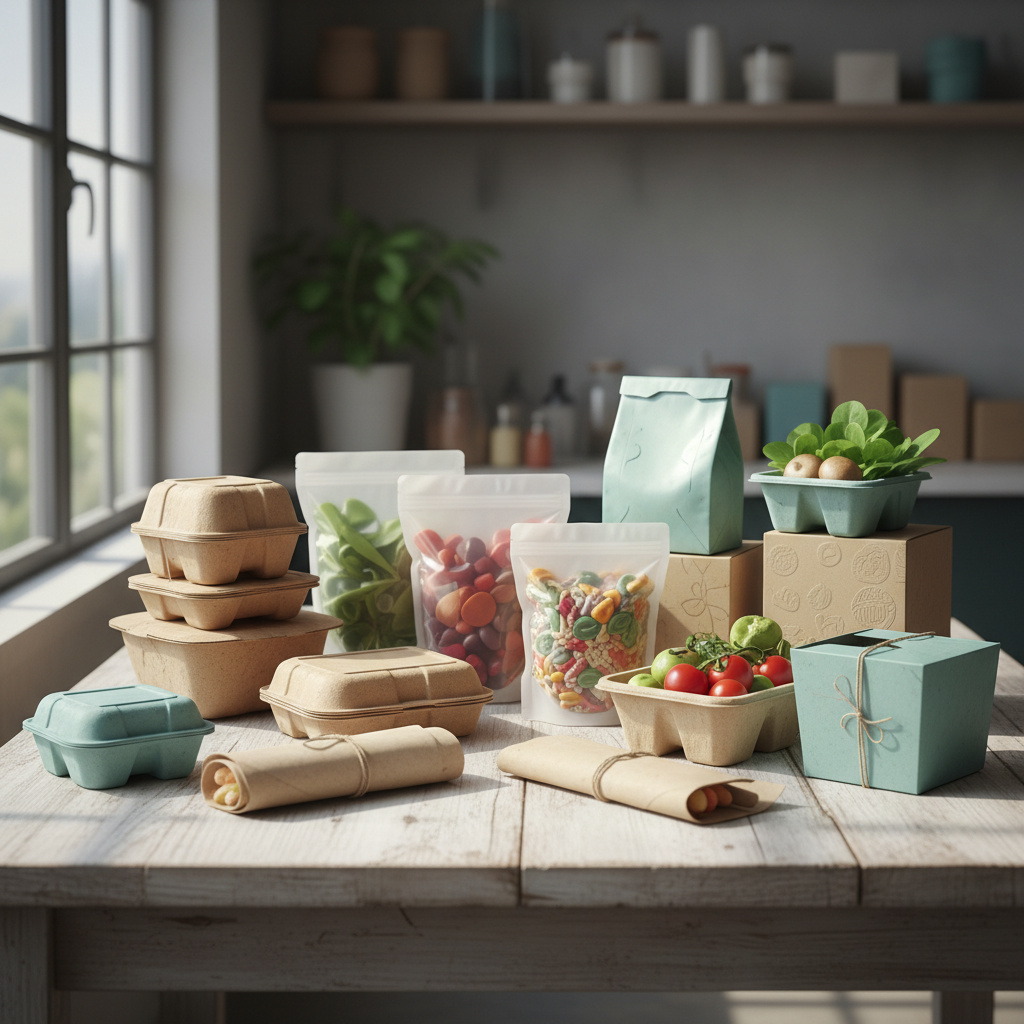
Emerging technologies in food packaging are revolutionizing the industry by enhancing both safety and efficiency. Advanced materials are being developed to improve barrier properties, which helps in extending the shelf life of food products while minimizing spoilage. For instance, bioplastics made from renewable resources not only reduce environmental impact but also provide effective protection against oxygen and moisture, crucial for preserving food quality. Such innovations contribute to a safer food supply chain, as they can help prevent contamination and ensure that food remains fresh until it reaches the consumer.
Moreover, automation and smart technology are playing a pivotal role in food packaging processes. Integrating IoT devices into packaging systems allows manufacturers to monitor conditions in real-time, ensuring optimal storage environments and timely data collection. This not only streamlines operations but also enhances food safety by enabling quick responses to potential issues. The use of robotics for packing and labeling further increases efficiency, reducing human error and labor costs while maintaining high standards of hygiene. As these technologies continue to evolve, they will redefine food packaging, making it safer and more efficient than ever before.
How to Choose the Best Food Packaging Equipment for Enhanced Efficiency and Safety
| Packaging Equipment Type | Efficiency Rating (1-10) | Safety Features | Material Compatibility | Estimated Cost (USD) |
|---|---|---|---|---|
| Horizontal Flow Wrapper | 9 | Sealing Safety, Antimicrobial Coating | Plastic, Paper, Aluminum | $20,000 - $50,000 |
| Vacuum Packing Machine | 8 | Leak-proof Sealing, Pressure Control | Vacuum Pouches, Plastic Containers | $1,500 - $10,000 |
| Filling Machine | 7 | Automatic Shutoff, Overflow Control | Liquids, Granules, Powders | $5,000 - $25,000 |
| Labeling Machine | 9 | Error Detection, Tamper-proof Features | All Types of Packaging | $2,000 - $15,000 |
| Sealing Machine | 8 | Dual Temperature Control, Safety Lock | Plastic, Foil | $1,000 - $8,000 |
Evaluating Performance: Metrics for Measuring Packaging Equipment Effectiveness
When it comes to food packaging equipment, evaluating its performance is crucial for ensuring efficiency and safety. Key metrics for measuring packaging equipment effectiveness include speed, accuracy, and downtime. According to a recent study by the PMMI (The Association for Packaging and Processing Technologies), manufacturers can improve operational efficiency by up to 20% by regularly analyzing these metrics.
Moreover, accuracy in packaging plays a significant role, as incorrect weights can lead to spoilage and safety issues, impacting brand reputation and consumer trust.
Tips: Regularly calibrate the equipment to maintain accuracy. Implement real-time monitoring solutions to keep track of performance metrics and identify trends that can lead to downtime reductions.
Another essential metric is the total cost of ownership (TCO), which encompasses not just the initial investment but also maintenance, energy consumption, and labor costs. A report from the Food and Beverage Industry indicates that TCO can significantly affect long-term profitability. By choosing equipment with lower TCO, companies can enhance their bottom line while ensuring safety and compliance with health regulations.
Tips: Conduct a thorough cost-benefit analysis before purchasing new equipment, considering not just purchase price but also operational costs over the equipment's lifecycle.
Sustainability Trends: Eco-Friendly Options for Food Packaging Solutions
As the food packaging industry evolves, sustainability has become a crucial consideration for manufacturers and consumers alike. According to a recent report from Smithers, the global market for sustainable packaging is set to reach $600 billion by 2027, highlighting a significant shift towards eco-friendly options. This trend is driven by increasing consumer demand for environmentally responsible products, with 73% of consumers willing to pay more for sustainable packaging, according to a 2021 survey by Trivium Packaging.
Eco-friendly food packaging solutions encompass a range of materials and technologies designed to minimize environmental impact. Biodegradable plastics, for instance, can decompose in industrial composting facilities within a few months, as opposed to traditional plastics that can take centuries to break down. Moreover, innovations such as water-soluble packaging and edible films contribute to waste reduction, allowing consumers to enjoy convenience without compromising their environmental values. As businesses seek ways to enhance their efficiency in alignment with sustainability trends, investing in food packaging equipment that supports these eco-friendly practices is no longer just an option—it's a necessity for market competitiveness.
Future-Proofing Your Operations: Adapting to Industry 4.0 in Food Packaging
In the era of Industry 4.0, food packaging operations are gearing up for enhanced efficiency and sustainability through cutting-edge technologies. The integration of Artificial Intelligence (AI) is revolutionizing the packaging sector by enabling real-time data analysis and predictive maintenance, which can reduce downtime by up to 30%. Moreover, IoT devices are enhancing connectivity across the supply chain, allowing for seamless tracking of inventory and reducing waste levels by approximately 20% through optimized resource allocation.
Blockchain technology is also emerging as a key player in the food packaging realm, ensuring traceability and transparency throughout the supply chain. According to recent industry reports, implementing blockchain can minimize counterfeit products and enhance consumer trust, with nearly 75% of consumers indicating a willingness to pay more for products with verified sourcing. Coupled with robotics, which are improving packaging speed and accuracy, these advancements not only drive operational efficiency but also contribute significantly to sustainability goals. Advanced robotics can increase packing productivity by over 40%, reducing the environmental impact of packaging waste through more efficient material use. As the food packaging industry embraces these innovations, it sets the stage for future-proof operations ready to face evolving consumer demands.
Related Posts
-
Navigating Tariff Challenges: How China's Food Packaging Equipment Surged Despite US-China Trade Tensions
-
China's Premier Manufacturing of Top Food Packaging Equipment for Global Markets
-
Top Strategies for Optimizing Your Packaging Equipment Efficiency
-
What is Fully Automatic Packaging Machinery and How Does It Transform Production Efficiency?
-
How to Choose the Right Food Packaging Equipment for Your Business Needs
-
Innovative Strategies for Choosing the Best Tray Sealing Machines in Global Markets