
How to Choose the Right Surgical Instrument for Your Needs?

Choosing the right Surgical Instrument is crucial for successful medical procedures. The right tools can enhance precision, safety, and efficiency. However, many may overlook the importance of selecting suitable instruments. A variety of surgical instruments exist, each designed for specific tasks.

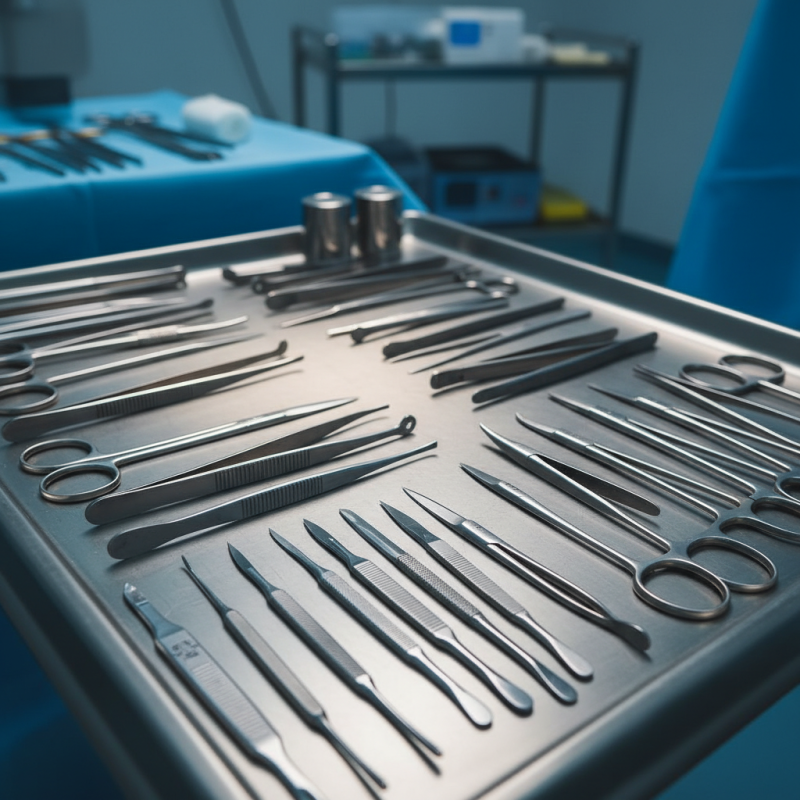
Understanding the unique characteristics of each surgical instrument is essential. For instance, scalpels are perfect for making incisions, while forceps aid in grasping tissues. One must consider the procedure type, as well as the patient's needs. This choice may determine the outcome of the operation. Sometimes, the best option may not be the most expensive one.

There can be significant challenges in selecting surgical instruments. Many professionals might feel overwhelmed by the options available. Not all instruments will suit every surgeon's style. It's vital to reflect on personal experiences and preferences. Selecting instruments should be a thoughtful process, not a rushed decision.
How to Choose the Right Surgical Instrument for Your Needs?

Understanding the Types of Surgical Instruments Available in the Market

When choosing surgical instruments, understanding their types is crucial. There are various categories, each serving specific purposes. For instance, cutting instruments like scalpels and scissors are essential for making incisions. These tools come in different sizes and shapes, making it necessary to select the right one for specific procedures.

Another category includes grasping instruments such as forceps and clamps. These tools help hold tissues and organs firmly during surgery. The selection of grasping instruments often involves considering the surgeon's comfort and the procedure's requirements. Meanwhile, suturing instruments are key for closing incisions. These include needle holders and scissors specifically designed for cutting sutures.

It's important to recognize that not all instruments are universally effective. Some may not perform as expected in certain situations. This can lead to challenges during surgery, affecting outcomes. Surgeons must continuously evaluate their tools and adapt to new methods. Each choice reflects a balance between functionality and personal preference. The learning curve is real, and mistakes can teach valuable lessons.

Assessing Material Quality: The Impact on Instrument Longevity and Performance

Choosing the right surgical instrument requires careful consideration. Material quality is crucial in determining both longevity and performance. Different materials react differently to sterilization and wear. For instance, stainless steel is commonly favored for its durability but has varying grades. One grade may corrode faster than another, impacting its lifespan.

It's vital to assess the specific needs of your practice. Some instruments require high precision, while others are meant for routine procedures. A minor flaw in material quality can lead to significant issues. Instruments that are too lightweight might bend easily. On the other hand, overly heavy tools may cause fatigue during long procedures.

Reflect on how often instruments will be used. Frequent use warrants machines made of stronger materials. Cheaper options may seem appealing but could be counterproductive. It's a balancing act between cost and performance. A poor choice can lead to increased replacement costs and affect patient safety. Pay attention to these details; they truly matter.

Evaluating Ergonomics and Design for Enhanced Surgical Precision and Safety

Choosing the right surgical instrument goes beyond materials and functions. Ergonomics plays a crucial role in surgical precision and safety. A well-designed instrument reduces strain during long procedures, allowing surgeons to maintain focus. The grip should feel comfortable and secure, preventing slippage. Instruments with balanced weight make finer movements possible, enhancing overall accuracy.

Design also impacts visibility and maneuverability. Instruments should minimize obstructions to the surgeon’s view. Poor design may mean awkward angles, leading to miscalculated cuts. Every detail matters, from curvature to handle length. Evaluating these aspects ensures tools fit seamlessly into surgical workflows. Still, achieving perfection can be challenging. Surgeons should be open to feedback and willing to adapt their choices based on experience and outcomes. Continuous improvement in instrument selection is a vital part of surgical excellence.

Evaluating Surgical Instruments - Ergonomics and Design

Analyzing Cost versus Value in Surgical Instrument Selection Processes

When selecting surgical instruments, cost and value play crucial roles. The initial price tag may be tempting, but it doesn't always reflect long-term benefits. Often, cheaper options wear out quickly, leading to frequent replacements. This cycle increases overall costs and may compromise patient safety.

Tips: Prioritize quality over initial costs. Invest in instruments that offer durability and efficiency. Consider the materials used in manufacturing. Stainless steel, for example, is often more reliable than plastic.

Don't overlook the training and support that come with the instruments. Sometimes, a more expensive instrument includes valuable education and maintenance that enhance surgical performance. Be conscious of your institution's budget, but weigh it against the potential benefits. An informed decision can save money in the long run and improve outcomes.

Tips: Engage in discussions with peers about their experiences. Explore reviews and seek honest feedback. Implement a trial run when possible. It's crucial to ensure the tool fits the specific needs of your practice.

How to Choose the Right Surgical Instrument for Your Needs? - Analyzing Cost versus Value in Surgical Instrument Selection Processes

Instrument Type Cost (USD) Durability (Years) Maintenance Frequency Value Rating (1-5)
Scalpel 15 1 Single-use 4
Surgical Scissors 35 5 Annually 5
Forceps 20 4 Every 6 months 4
Electrocautery 500 8 Every 2 years 5
Suction Device 250 6 Annually 4

Identifying Specific Surgical Procedures and Their Instrumentation Requirements

When selecting surgical instruments, it’s crucial to consider the specific procedures involved. Different surgeries require distinct tools for efficiency and precision. For example, orthopedic surgeries often need specialized saws and drills, while laparoscopic procedures rely on delicate graspers and trocars. Understanding these nuances can aid in choosing the right instruments.

Surgeons must also think about the material and design of each instrument. Some operations may demand robotic or minimally invasive tools. These designs can enhance dexterity while minimizing patient trauma. However, the learning curve associated with new instruments may pose challenges. Familiarity is key, and some surgeons may struggle initially with innovative tools.

Reflecting on previous experiences can enhance future choices. Have there been instances where the wrong instrument led to complications? Learning from those moments is essential. Engaging with peers for recommendations can also offer insights into what has worked effectively in real-world scenarios.