How to Choose the Right Switching Power Supply for Your Needs?
Choosing the right Switching Power Supply can be a daunting task. Many factors come into play. Dr. Emily Chen, an expert in power electronics, once said, "A suitable switching power supply can dramatically enhance system performance." This statement captures the importance of making an informed decision.
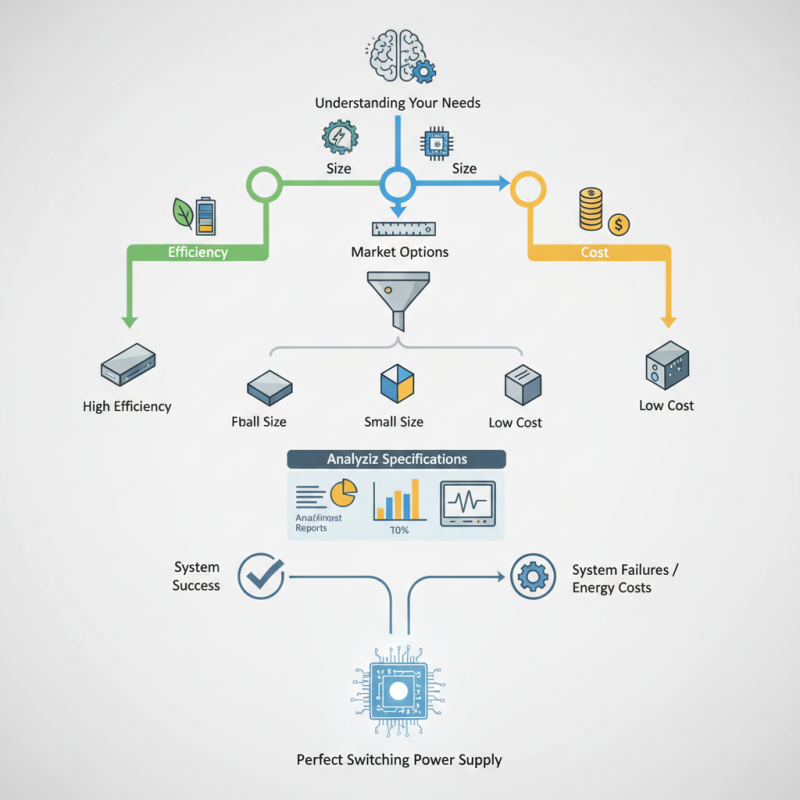
When selecting a switching power supply, consider your specific requirements. Are you focusing on efficiency, size, or cost? Each factor plays a critical role. The market offers many options, yet not all are suitable for every application. It's easy to feel overwhelmed. Remember, a wrong choice may lead to system failures or excessive energy costs.
Moreover, it’s essential to analyze the specifications carefully. Look beyond the specs; performance in real-world applications varies. Test reports can provide more insight. In the end, your choice reflects your project's success or setback. Understanding your needs is the first step toward finding the perfect switching power supply.
Understanding the Basics of Switching Power Supply Technology
Switching power supplies are essential in modern electronics. They convert one voltage to another efficiently. Understanding their basics helps in choosing the right one for your project. These devices typically use a switching regulator. This regulator rapidly turns the current on and off. This action reduces energy loss, making them more efficient than linear power supplies.
Efficiency is key. However, not all switching power supplies are the same. Different designs affect performance and noise levels. Some may produce electromagnetic interference (EMI). If this is overlooked, it could disrupt your devices. Pay attention to the specifications that matter. The input and output voltage levels should meet your needs. Different power requirements also influence which supply is suitable.
Diving into the features is crucial. Look for adjustable output options and safety features. Over-voltage and over-current protections are important. Ignoring these could lead to equipment damage. Additionally, the physical size and heat dissipation should not be underestimated.
A compact power supply may be tempting, but it might overheat in small spaces. Balancing size and performance is an ongoing challenge.
Key Factors to Consider When Choosing a Power Supply Unit
When choosing a switching power supply, key factors can significantly influence your decision. First, consider the power output. Your application determines how much power is needed. For example, a device requiring 12V at 5A needs a supply that can deliver at least 60 watts. According to industry standards, under-sizing can lead to overheating and reduced longevity.
Next, efficiency matters. A power supply with at least 80% efficiency is advisable. Reports indicate that inefficient units waste energy, increasing electricity bills and generating excess heat. This heat can impact the performance and longevity of your equipment.
Tips: Always check the ambient temperature ratings. Many units operate optimally at 25°C but may fail at higher temperatures. Also, consider the size and cooling methods available to you.
Don't overlook the scope of protection features. Some supplies lack essential protections like over-voltage, short-circuit, and over-temperature safeguards. Without these, you risk damaging your devices. Take time to reflect on what your specific needs are. This could save you from costly mistakes down the line.
Efficient Power Ratings: How to Determine Your Power Requirements
Determining your power requirements is crucial. It affects the efficiency of your equipment. A study from the International Electrotechnical Commission indicates that improper power supply selection can lead to up to 30% energy loss. Understanding your load is essential to avoid such inefficiencies.
Begin by calculating the total wattage of your devices. Add the necessary power ratings for each component. It’s important to consider peak and continuous power use. Peak power needs can surge up to 200% in some situations. Monitoring these metrics ensures that you select a power supply that meets both average and peak demands.
Moreover, choosing a supply rated above your needs may seem harmless, but it can increase costs and complexity. Reports show that over 55% of users opt for oversized power supplies. This choice can lead to wasted energy and higher operational costs.
Make sure to evaluate your actual requirements. Assessing efficiency ratings can help you avoid common pitfalls in power supply selection. Focus on what you need, not just what's available.
Comparing Linear vs. Switching Power Supplies in Various Applications
When choosing between linear and switching power supplies, application accuracy is key. Switching power supplies are highly efficient, converting 80-90% of input power to output. They generate less heat and save energy. In contrast, linear power supplies typically achieve around 50-60% efficiency. This difference can be crucial for applications needing energy conservation.
In terms of size, switching power supplies excel. They offer compact designs suitable for space-limited environments. For instance, in telecommunications, small form factors are essential to fit within tight equipment cabinets. On the other hand, linear supplies are often bulkier due to heat dissipation needs. Applications in precision electronics may prefer linear supplies for their low noise and ripple voltage performance, despite their large size.
However, not all scenarios favor switching designs. Some sensitive devices may experience interference from switching frequencies. This can lead to performance degradation. The market shows that approximately 30% of engineers have faced noise issues with switching supplies. Careful selection is critical to ensure reliability. Balancing efficiency, size, and performance is essential, yet can be challenging.
How to Choose the Right Switching Power Supply for Your Needs? - Comparing Linear vs. Switching Power Supplies in Various Applications
| Feature | Linear Power Supply | Switching Power Supply |
| Efficiency | 70-80% | 85-95% |
| Size | Larger | Compact |
| Heat Generation | Higher | Lower |
| Cost | Higher | Lower |
| Noise | Low | Potentially High |
| Load Regulation | Better | Good |
| Application Suitability | Audio Equipment, Sensitive Electronics | Computers, Power Adapters, Industrial Equipment |
Assessing Reliability and Safety Standards for Power Supply Selection
Choosing the right switching power supply is crucial for any electronic application. When focusing on reliability and safety, certain standards must be assessed. Reliability ensures that the power supply operates consistently over time. A reliable unit minimizes unexpected failures, which can lead to downtime. Sometimes, manufacturers claim high reliability, yet their products fall short under real-world conditions.
Safety standards are equally important. Look for certifications like IEC or UL. These labels indicate that a power supply complies with rigorous testing. An uncertified unit may pose hazards like electrical shock or fire risks. Yet, some users ignore these factors. Rushing to choose a power supply can be tempting, but it might lead to choosing a product that isn’t genuinely safe.
Considering environmental factors is also essential. A power supply that performs well in one setting may not in another. Heat, humidity, and other factors impact performance. Reflect on how these conditions relate to your needs. Don’t skip the details. Sometimes, overlooking minor specifications results in major issues down the line.