
How to Concentrate Packaging for Sustainability in 2026?

In 2026, the quest for sustainability in the packaging industry will reach new heights. The concept of Concentrate packaging has emerged as a vital part of this journey. Experts like Dr. Jane Foster, a leading authority in sustainable materials, emphasize, "Concentrate packaging minimizes waste and maximizes utility." Her words resonate as industries strive to adopt solutions that reduce environmental impact.

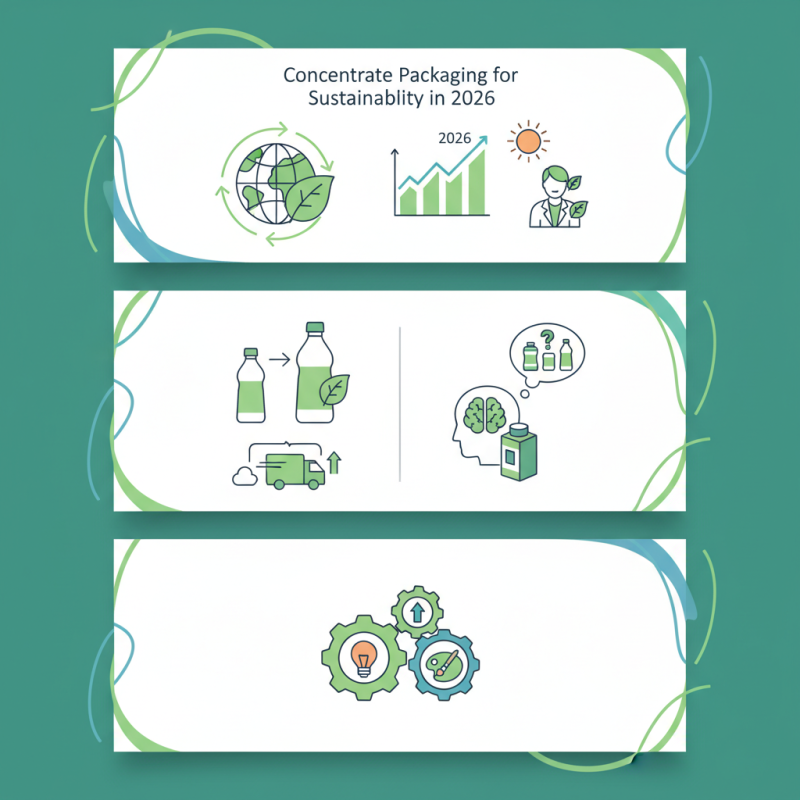
Concentrate packaging refers to designing products that require less material while maintaining their effectiveness. This method not only cuts down on waste but also enhances transportation efficiency. For instance, imagine a beverage that arrives in a lightweight, concentrated form, reducing overall carbon footprints. However, it's essential to reflect on the challenges of consumer perceptions and acceptance of these innovative products.

Many people still prefer traditional packaging formats. They find the concept of concentrate packaging unfamiliar and intimidating. Brands face the task of educating consumers about its benefits. The road to 2026 will not be without hurdles. The strive for sustainability requires dedication, creativity, and a willingness to rethink conventional approaches in concentrate packaging.
How to Concentrate Packaging for Sustainability in 2026?

Strategies for Reducing Material Waste in Packaging Design

Sustainable packaging is essential for a greener future. Reducing material waste in packaging design is a significant step. Companies should rethink their materials. Innovative solutions can lead to less environmental impact. For instance, using biodegradable or compostable materials can minimize waste. Flexible packaging options can also reduce material use, but they need careful consideration.

Another effective strategy is optimizing package sizes. Smaller packages can reduce excess material. This doesn't just cut waste, it can also save shipping costs. Brands should consider the lifecycle of materials. It's crucial to choose recyclable components and design for easy recycling. This ensures that products don’t end in landfills.

However, not all strategies are foolproof. Some biodegradable materials require specific conditions to decompose. This complicates disposal for consumers. Marketing these options can be challenging, too. Many still choose traditional packaging for its convenience. Reflecting on these challenges is necessary as we strive for sustainability in packaging design. The road ahead is complex, but there's no turning back.

Innovative Materials for Sustainable Packaging Solutions

Sustainable packaging is rapidly evolving. In 2026, innovative materials will play a key role in this transformation. Biodegradable plastics are gaining traction. These materials decompose, minimizing environmental impact. This shift helps reduce landfill waste significantly.

Tips: Explore local suppliers for sustainable materials. They often offer unique options and can lower your carbon footprint.

Another exciting option is plant-based packaging. Made from renewable resources, these materials reduce reliance on fossil fuels. They are lightweight and reduce transportation costs. However, finding consistent quality can be challenging. This requires ongoing testing and adjustments.

Tips: Prioritize research on new materials. Integration into existing products may take time but is essential for success. Don’t shy away from trying smaller batches to assess viability before full-scale production.

As we approach 2026, it’s crucial to remain open to new ideas. Continuous improvement is vital for long-lasting solutions in sustainability. Every small change can contribute to a larger impact over time.

How to Concentrate Packaging for Sustainability in 2026? - Innovative Materials for Sustainable Packaging Solutions

Material Type Recyclability Biodegradability Carbon Footprint (kg CO2e/kg) Usage Status (2026)
Recycled Paper Yes Yes 0.7 Widely Used
Plant-Based Plastics Yes (limited) Yes 1.5 Growing
Mushroom Packaging Yes Yes 0.4 Emerging
Seaweed Packaging Yes Yes 0.3 Innovative
Composite Bioplastics Depends on composition Partially 1.0 In Development

Regulatory Frameworks Influencing Packaging Sustainability Practices

In 2026, sustainability in packaging will largely depend on regulatory frameworks. Governments worldwide are implementing stricter guidelines. These regulations aim to reduce waste and encourage recycling. For instance, some regions may require specific materials. This can dictate what types of packaging can be used.

Businesses face challenges in compliance. Transitioning to sustainable practices often involves higher costs. Some companies may cut corners, opting for cheaper materials. This approach, however, can backfire in the long run, impacting brand reputation. Transparency will become crucial. Consumers demand to know the origins of packaging materials.

Innovation will play a vital role. Companies must invest in research to develop alternative materials. Biodegradable options are gaining traction, yet they require proper disposal systems. The path to sustainability is fraught with obstacles. Companies need to rethink outdated practices while adapting to evolving regulations. Balancing economic viability with environmental responsibility is essential.

Consumer Engagement and Education in Sustainable Packaging Choices

Consumer engagement is vital for advancing sustainable packaging. Many people still lack awareness of their choices. Education plays a key role in fostering this understanding. Workshops can help consumers learn about eco-friendly materials and their benefits. Simple information sessions can demystify recycling processes. Interactive displays in stores can show the life cycle of packaging.

Packaging that is easy to comprehend will attract attention. Visual aids can communicate essential details quickly. Engaging storytelling is powerful. People connect with real-life examples and success stories. They want to feel involved. Digital platforms can amplify this connection. Social media challenges and campaigns can encourage consumers to share sustainable choices.

However, challenges exist. Misinformation is rampant. Not all consumers know which materials are truly sustainable. Some might feel overwhelmed by all the options available. Clear labeling can assist, but it’s not enough on its own. Communities need ongoing support and access to accurate information. Addressing this gap will require collective efforts from all stakeholders involved. With time, a more informed consumer base will lead to significant changes in packaging practices.

Future Trends in Circular Economy for Packaging Industries

In 2026, the packaging industry must embrace the circular economy. Innovative materials and techniques will drive sustainability. Companies need to rethink their packaging choices. Biodegradable materials and reusable designs can lead the way.

Tips: Consider using local materials. This reduces transportation emissions. Collaborate with other companies to share resources and ideas. Look for inspiration in nature. Nature is a master of efficiency, balance, and beauty.

The shift towards a circular economy is not without challenges. Many companies face the temptation to stick with traditional methods. Short-term gains can overshadow long-term benefits. It’s essential to invest in research for sustainable options.

Tips: Analyze lifecycle impacts of your packaging. Take time to assess the entire process. Focus on education and awareness within your team. Small changes can lead to significant insights.