
10 Essential Tips for Choosing Brass Garden Hose Connectors?

Choosing the right connectors is crucial for any gardening enthusiast. Brass Garden Hose Connectors are a popular option due to their durability and reliability. However, not all brass connectors are created equal.

When selecting brass garden hose connectors, consider factors like size, thread types, and compatibility. A perfect fit ensures a tight seal, preventing leaks and saving water. Think about the quality of the brass as well. Cheap options may corrode over time or break easily. It's disappointing to struggle with a faulty connector during a hot summer day.

Look for connectors that are easy to grip and operate. Ergonomic designs can make a big difference when you're in a hurry. Remember, the connection points are often the most vulnerable spots. Investing in quality connectors can save you headaches in the long run. Always test your connectors when they arrive. It's better to fix a problem early than to deal with leaks later.
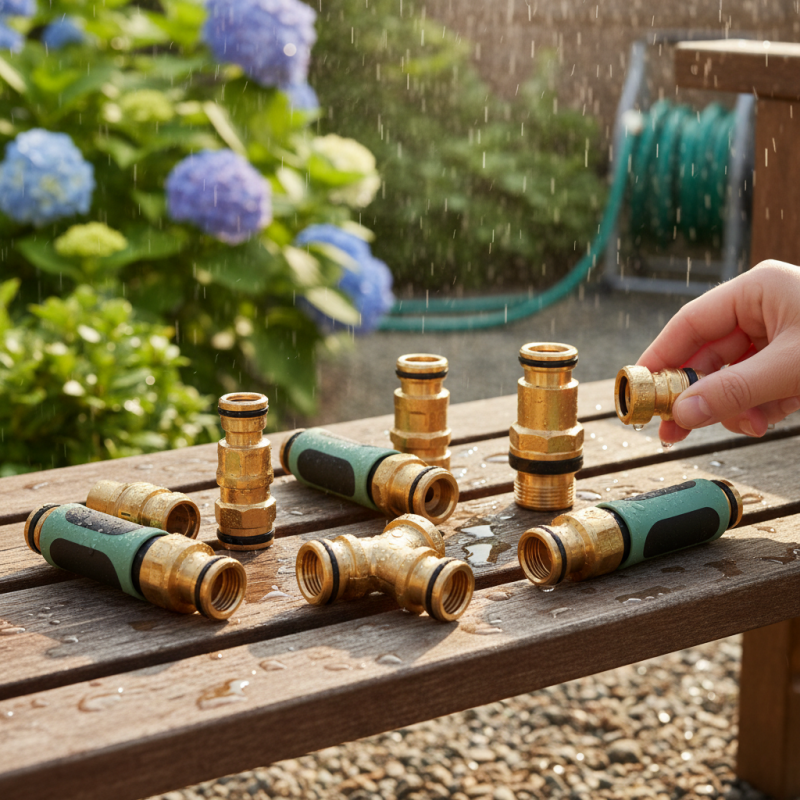
10 Essential Tips for Choosing Brass Garden Hose Connectors?

Understanding the Types of Brass Garden Hose Connectors Available

When choosing brass garden hose connectors, understanding the types available is crucial. There are several options to consider, including threaded connectors, quick connect fittings, and hose menders. Each type serves specific needs and can have different performance levels in durability and usability.

Threaded connectors are common. They screw on securely, preventing leaks. However, if not tightened properly, they can still leak. Quick connect fittings allow for easy attachment and detachment of hoses. If you frequently switch tools, they might be more convenient. But these can wear out faster than threaded types.

Remember to check compatibility with your existing hoses. Some connectors may not fit well and can lead to frustration. It's also essential to consider the material's quality. Not all brass connectors are created equal. Some may corrode over time. When selecting, always examine product specifications. Be sure that the finish is robust enough for outdoor use. Doing so can save you from frequent replacements.

Evaluating Durability and Corrosion Resistance in Brass Connectors

When selecting brass garden hose connectors, evaluating durability and corrosion resistance is crucial. Brass is often favored for its resilience. However, not all brass is created equal. Some connectors may only have a thin layer of brass, which undermines the corrosion resistance. Research indicates that connectors made from solid, high-quality brass can last longer in harsh conditions. Choose connectors that comply with industry standards, such as those outlined in ASTM B16, which focuses on the specifications for wrought copper and copper alloys.


Corrosion resistance in brass is influenced by the alloy composition. Connectors with a higher zinc content, while cheaper, may corrode faster. A balance between copper and zinc is essential for durability. Some studies suggest that connectors with a high copper percentage can resist tarnishing and corrosion better. Additionally, environmental factors like exposure to moisture and soil acidity can accelerate degradation. Regular inspection can help identify any wear and tear, allowing for timely replacements.


In practice, even the best brass connectors might fail under extreme conditions. Customers have reported issues with connectors that corrode within a year. This feedback indicates that quality control measures are necessary. It's vital to consider the specific environmental conditions when selecting connectors. Testing various products against your local soil and weather conditions may improve performance and longevity. Remember, choosing the right feature can make all the difference for your garden.

Importance of Compatibility with Hose Size and Fittings

Choosing the right brass garden hose connectors involves careful consideration of compatibility. Connectors must match your hose size precisely. A loose fit can lead to leaks. An overly tight connector may crack the hose. Both situations waste water and create frustration.

Measure your hose diameter before purchasing. Common sizes include half-inch or three-quarter-inch. Check fittings too, as they vary. If you have a newer hose, it might require specific connectors. Always ensure the threads on the connector align. Stripped threads can cause major issues. Sometimes, a visual check isn’t enough.

Also, think about the connector’s material. Brass is sturdy, but not all brass is created equal. Some connectors may corrode if exposed to moisture. Take note of the climate in your area. Humidity levels can impact quality. If you frequently change hoses, consider connectors with quick-release features for convenience. This makes gardening less of a hassle. Test different options and pay attention to their performance. Reflection on these small details can lead to a better gardening experience.

Checking for Leak-Proof Features and Design Quality

When selecting brass garden hose connectors, focusing on leak-proof features and design quality is crucial. According to industry reports, nearly 30% of garden hose leaks stem from poor connector design. A well-made connector will minimize water waste and improve efficiency.

Checking for leak-proof features involves looking at the O-ring and threading. Rubber O-rings contribute significantly to a tight seal. A connector without a reliable O-ring may lead to frustrating leaks during watering. Inspect the threading as well. Loose threads can compromise the connection, resulting in leaks that can ruin a gardening day.

Consider quality over price. Investing in high-quality connectors can save money over time. Quality connectors show resistance to corrosion and wear. They also often feature solid brass construction and seamless designs that enhance durability. While there may be cheaper options, they might require frequent replacements. You want to avoid unnecessary hassle. Remember that consistency is key. A dependable connector keeps your watering tasks smooth and enjoyable.

10 Essential Tips for Choosing Brass Garden Hose Connectors

Tip No. Tip Description
1 Check for solid brass construction for durability.
2 Look for leak-proof features such as rubber gaskets or O-rings.
3 Choose connectors with ergonomic grips for easy handling.
4 Select connectors that are rust-resistant for long-term use.
5 Examine the threading compatibility with your hoses and accessories.
6 Opt for connectors that provide a secure fit without leaking.
7 Consider the weight of the connector; lightweight options are easier to handle.
8 Check for a wide range of sizes to accommodate various hose diameters.
9 Look for easy-to-read markings for identification and use.
10 Research reviews and user feedback for reliability insights.

Considering Price vs. Quality in Brass Garden Hose Connectors

Choosing brass garden hose connectors requires careful consideration of both price and quality. Brass connectors can range from affordable options to higher-end products. It's tempting to purchase the cheapest option, but this choice may lead to problems. Cheaper connectors often do not last long. They might corrode or break under pressure. A low price can be appealing, but it often reflects lower durability and reliability.

Investing in higher-quality connectors may seem costly upfront. However, they typically provide better performance and longer lifespan. A good brass connector can withstand rust and wear much better than its cheaper counterparts. The stronger the connector, the less likely it will leak or break. Evaluating the material and construction is vital. Look for heavy-duty designs and solid craftsmanship. Simple visual inspections can reveal a lot. A connector that feels substantial is likely to perform better.

Many gardeners overlook this aspect while shopping. They may focus solely on appearance or initial cost. However, it’s essential to think about long-term use. Spending a little more now can save money later. It's worth considering how many cheap connectors you might buy to replace a single quality one. Finding the right balance between price and quality takes time and research. Trust your instincts and read reviews when possible.