
What Are the Top Computer Form Factors to Watch in 2026?

As we approach 2026, the landscape of technology continues to evolve. One key area to explore is the concept of "Computer Form." This term refers to the physical design and architecture of computers. Various form factors define how we interact with technology daily, from desktops to portable devices.

In the coming years, we anticipate noteworthy innovations. Miniaturization will push the boundaries of existing designs. We may see new hybrid models combining features of laptops and tablets. Additionally, advancements in materials like flexible displays could revolutionize traditional form factors.

However, it's essential to reflect on some challenges. While new designs can enhance user experience, they may create accessibility issues. Some users might struggle with smaller devices. Balancing innovation and usability will be critical. As we dive into this topic, let’s explore the most promising computer form factors that will shape the future.
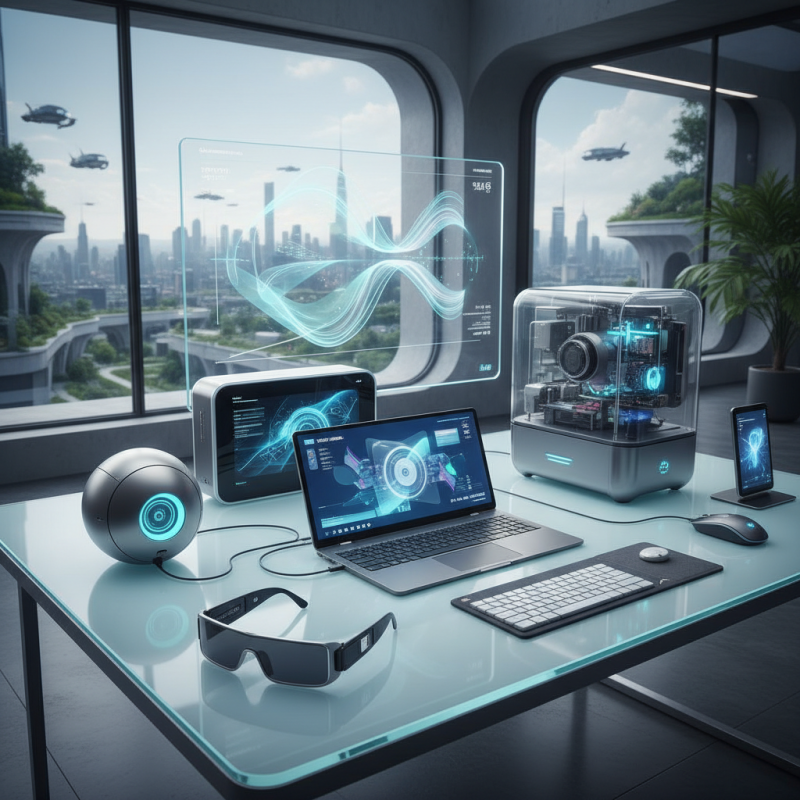
What Are the Top Computer Form Factors to Watch in 2026?

Emerging Trends in Computer Form Factors for 2026

As we look toward 2026, several emerging trends in computer form factors will reshape the landscape. The rise of edge computing is pushing for smaller devices. Reports indicate that the edge computing market is expected to grow to $43.4 billion by 2027. This pushes manufacturers to innovate compact, high-performance devices. These devices may lose some processing power but gain significant mobility.

Another notable trend is the increasing demand for modular designs. Users appreciate flexibility. Research shows that 62% of consumers prefer upgradable systems. However, the challenge remains in balancing performance and ease of upgrade. As technology evolves, manufacturers may struggle with compatibility. This could lead to potential frustrations for consumers seeking personalization.

The popularity of wearable technology continues to expand. Reports suggest the wearable tech market will reach $100 billion by 2024. This surge indicates that industry leaders must focus on integrating powerful processors within limited space. However, there is a risk of sacrificing user comfort. Sturdy yet lightweight materials are essential for success in this area. As we advance, striking a balance will be crucial.

What Are the Top Computer Form Factors to Watch in 2026?

Form Factor Description Expected Trends Key Features Potential Impact
Mini PCs Compact desktop computers designed for space-saving. Increased adoption for home and small office use. Energy-efficient, versatile connectivity, portable. Ideal for remote work, media streaming, and light gaming.
All-in-One PCs Computers that integrate the monitor and components into a single unit. Growing preference for minimalist design in homes and offices. Sleek design, touch screen options, space-saving. Promotes an organized workspace and enhances user experience.
Wearable Computers Devices worn on the body that provide computing power. Innovation in health tech, fitness tracking, and augmented reality. Lightweight, biometric sensors, connectivity to smart devices. Revolutionizes personal health monitoring and interactive experiences.
Modular PCs Customizable systems allowing for component upgrades. Rise in user desire for sustainability and upgradability. Easily replaceable parts, eco-friendly materials, user-friendly. Extends product lifecycle and reduces electronic waste.
Thin Client Devices Lightweight computers relying on remote servers for processing. Growth in remote work and cloud computing solutions. Low power consumption, easy management, secure. Cost-effective for businesses with centralized computing needs.

The Rise of Compact and Portable Computing Solutions

The demand for compact and portable computing solutions is skyrocketing. Industry reports suggest that by 2026, the market for portable devices will grow by over 15% annually. This shift is driven by the need for efficiency and flexibility in our fast-paced world. People want devices they can easily carry, whether for work or leisure.

Innovative designs like 2-in-1 laptops and lightweight tablets offer powerful features without the bulk. The trend towards minimalism in technology attracts many users. Yet, some compact devices struggle with performance. Many consumers face limitations in computing power and battery life. Reports indicate that while users enjoy portability, they often find themselves wishing for more robust specifications.

In a survey, 70% of users expressed a desire for better performance in smaller devices. However, manufacturers must balance size, weight, and capability. The challenge remains. Will future devices meet the expectations of users who want both portability and power? As we approach 2026, this question lingers in the industry. The rise of compact solutions presents both exciting opportunities and pressing concerns.

Top Computer Form Factors to Watch in 2026

Innovations in Advanced Modular Design for PCs

The future of PCs lies in advanced modular design. This innovation aims to enhance customization and improve upgradability. Users want systems that evolve with their needs. Modular components allow for easy swapping. This means less electronic waste and more sustainable use of technology.

Imagine a gaming PC that grows with you. Instead of purchasing a new system, you upgrade specific sections. Modular GPUs and CPUs could revolutionize performance. Design becomes more personal. However, this shift may also cause confusion. People might struggle to choose the right components. Compatibility issues could arise.

As we move towards 2026, it's essential to reflect on the balance between innovation and user experience. While modular designs promise flexibility, they also ask for a more informed consumer base. Not everyone will feel comfortable with customization. It raises questions about accessibility. Can novice users adapt to this complexity? Understanding these challenges will be crucial for the adoption of advanced modular PCs.

The Impact of AI and IoT on Future Computer Form Factors

As AI and IoT continue to reshape our technology landscape, computer form factors are evolving to meet new demands. By 2026, experts predict that 70% of devices will rely on IoT connectivity. This transformation requires more compact and energy-efficient designs. Traditional desktops might fade away, making space for versatile all-in-one devices.

The rise of AI-driven applications calls for powerful computing solutions in smaller packages. Data from industry reports indicates that the mini-PC market is projected to grow by over 25% annually. Companies are investing in these compact forms due to their adaptability in various environments, from homes to smart offices. Yet, there’s a question of thermal management and performance in such small devices. Balancing power and heat in a miniaturized form remains a challenge.

Wearable technology is another area to watch. Reports suggest that the wearables market will reach $100 billion by 2026. This boom highlights a shift toward personalized devices. However, issues like battery life and data privacy still linger. The excitement is palpable, yet caution is necessary as we navigate this changing landscape. Form factors must evolve thoughtfully, addressing both innovation and user needs.

Sustainability and Eco-Friendly Designs in Computer Hardware

Sustainability is becoming a key focus in computer hardware design. Manufacturers are exploring ways to reduce e-waste. This shift is vital as electronic waste grows rapidly. Eco-friendly materials are emerging. Biodegradable plastics are now an option. Metals that are easier to recycle are also being considered.

The rise of modular designs allows for upgrades without complete replacements. Users can swap out parts easily. This not only extends the life of devices but also reduces waste. However, companies sometimes prioritize aesthetics over sustainability. It raises questions about true commitment to the environment.

Energy efficiency is crucial in future designs. Lower energy consumption means reduced carbon footprints. Yet, some energy-saving technologies can be costly. Consumers may hesitate to invest initially. We still need more education on sustainable practices. Without awareness, true change is challenging. Each computer form factor carries a responsibility. Balancing performance and sustainability remains a complex task.